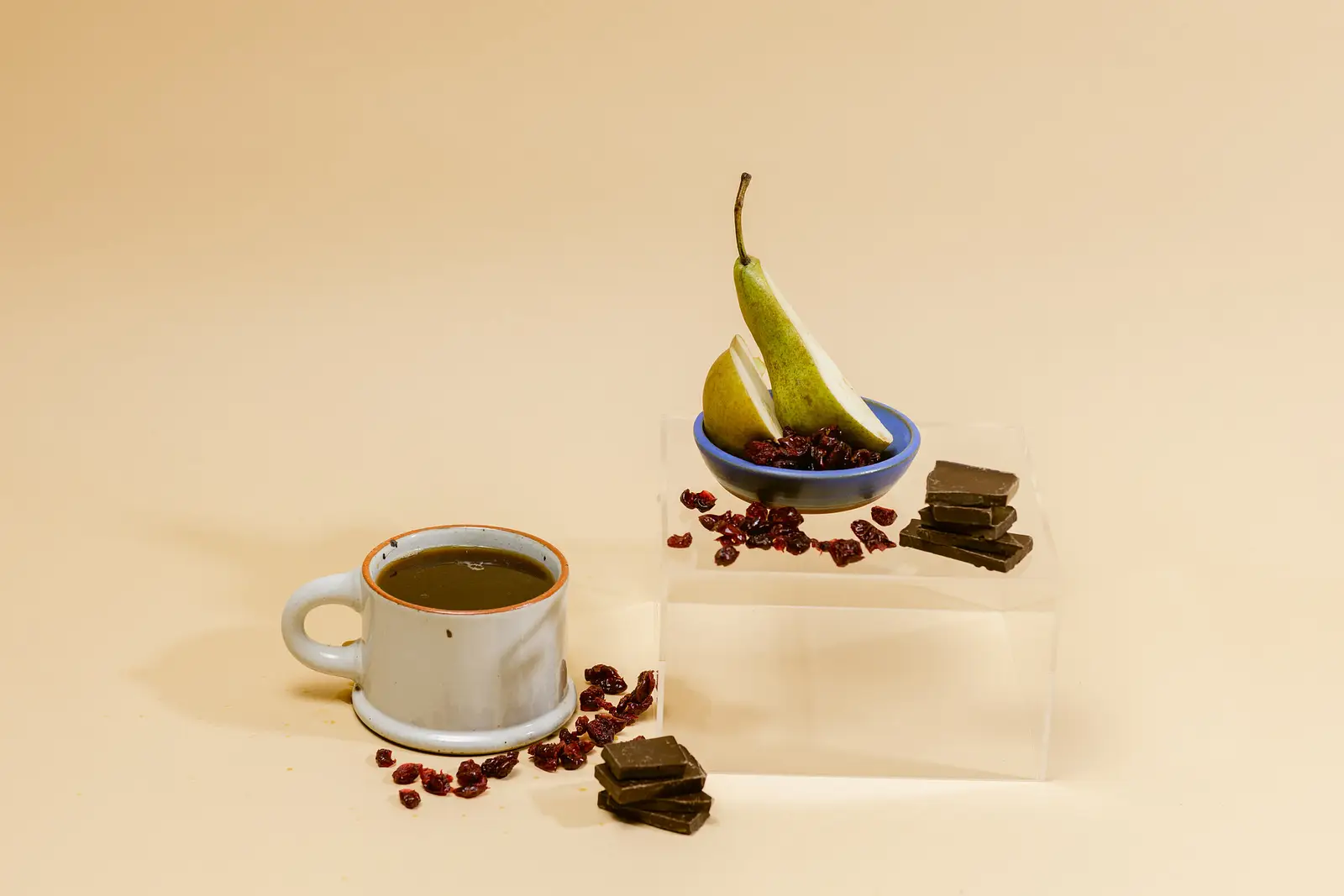
Processing Guide
Natural Coffee Guide
Funky, fruit-forward, and full of character. Discover how drying whole coffee cherries in the sun creates some of the most interesting specialty coffees in the world.
The Big Picture
Understanding Natural Processing
There are two main processing methods: washed and natural. For natural, the coffee cherry is laid out to dry without removing the skin or fruit. Sometimes called 'dry processed' coffee, this method is popular in regions with less water like Ethiopia.
Natural processing is the oldest method of preparing coffee for roasting, predating mechanical depulpers and wet mills by centuries. While washed processing strips the fruit away before drying, natural processing allows the bean to absorb sugars and compounds from the surrounding fruit as it dries—creating a fundamentally different flavor experience in the cup.
Natural vs. Washed at a Glance
Fruit Removal
None — cherry dries whole
Water Usage
Minimal — no wet milling
Drying Time
2–4 weeks on raised beds
Cup Character
Fruity, funky, full-bodied
How It Works
The Natural Drying Process

Raised Bed Drying
The cherries are usually dried on raised beds allowing air circulation. This elevated drying method ensures airflow reaches both the top and bottom of the cherry layer, promoting even drying and reducing the risk of mold or over-fermentation.
- • Beds: Constructed from wood and mesh to maximize ventilation
- • Duration: Typically 2–4 weeks depending on climate and cherry density
Turning & Raking
Producers rake and turn the cherries throughout the day. This constant attention prevents uneven drying, hot spots, and unwanted fermentation. The labor-intensive process is essential for producing clean natural coffees.
- • Frequency: Multiple times daily, especially during peak sun hours
- • Purpose: Ensures uniform moisture reduction across the entire lot
Shade & Climate Management
Some producers cover the cherry during the hottest and coolest parts of the day. Farmers control drying speed with adjustable shade structures and turning frequency, balancing the delicate fermentation that gives natural coffees their character.
- • Midday: Shade prevents scorching and too-rapid surface drying
- • Night: Covering protects against moisture re-absorption and temperature drops
After Drying
From Dried Cherry to Green Coffee
After the cherries are dried to the appropriate moisture level—typically around 10–12%—they are taken to a dry-milling facility where the dried husk is removed. This step, called hulling, strips away the parchment and dried fruit in one pass, revealing the green coffee bean inside.
The timing of dry milling matters. Many producers rest their dried naturals in storage for weeks or months before hulling, allowing moisture to equalize throughout the bean. This resting period helps stabilize the coffee and can improve clarity in the cup. Once hulled, the green coffee is sorted, graded, and prepared for export.
Dry Milling Steps
- — Cherries rested at target moisture (10–12%)
- — Hulling removes dried husk and parchment
- — Density sorting and screen-size grading
- — Defect removal by hand or optical sorter
Why Resting Matters
- — Allows moisture to equalize within each bean
- — Improves cup clarity and consistency
- — Reduces risk of uneven roasting later
- — Standard rest: 30–60 days before export
In the Cup
How Natural Process Coffees Taste
Natural process coffees are known for funky, interesting flavors. The sugars in the fruit ferment during drying, imparting unique flavors that distinguish naturals from their washed counterparts. This extended contact between seed and fruit creates a cup experience unlike any other processing method.
Farmers control drying speed with adjustable shade structures and turning frequency. The pace of fermentation directly influences the final cup: slower, more controlled drying tends to produce cleaner fruit notes, while faster or less managed drying can amplify the funky, wild characteristics that natural coffee lovers seek.
The best natural coffees strike a balance between intense fruit character and underlying sweetness. When processed with care, they offer layers of flavor complexity—from jammy berry notes to tropical fruit, red wine, and dark chocolate—all wrapped in a heavy, syrupy body that lingers on the palate.

Common Tasting Notes in Natural Coffees
Berry Fruit
Blueberry, strawberry, raspberry
Tropical
Mango, papaya, passionfruit
Wine & Ferment
Red wine, jam, funky complexity
Body & Sweetness
Syrupy, heavy, dark chocolate
Key Origins
Where Natural Coffees Thrive
Natural processing is popular in regions with less water like Ethiopia, where the method has been practiced for centuries. Ethiopia's Guji, Sidamo, and Yirgacheffe zones produce some of the world's most celebrated natural coffees, with intense berry and floral notes that have captivated specialty coffee drinkers worldwide.
Beyond Ethiopia, natural processing is prominent in Brazil—the world's largest coffee producer—where vast, dry landscapes are well suited to sun-drying whole cherries. In recent years, producers in Central America, Colombia, and Southeast Asia have embraced natural processing as a way to create distinctive lots with added value.
Ethiopia
The birthplace of coffee and natural processing. Guji, Sidamo, and Yirgacheffe produce naturals with intense blueberry, strawberry, and floral notes.
Brazil
Dry climate and large farms make Brazil ideal for natural processing. Expect chocolate, nut, and dried fruit notes with full body.
Emerging Origins
Producers in Colombia, Costa Rica, and Myanmar are experimenting with naturals, pushing the boundaries of what this method can achieve.
Keep Exploring
More Processing & Origin Guides
Explore how other processing methods shape flavor, or dive deeper into the origins behind our favorite coffees.
Honey Processing
The middle ground between washed and natural methods
Washed Coffees
Clean, bright, and origin-transparent processing
Coffee Education
From farm to cup—everything you need to know
Ethiopian Coffee
The birthplace of coffee and the home of naturals
Coffee Varietals Guide
How genetics shape flavor in every cup
Colombian Coffee
Year-round harvests from small family farms

Taste the Natural Difference
Fruit-forward, funky, and unforgettable. Discover natural processed coffees freshly roasted and delivered to your door.
Free shipping · Cancel anytime · 200% money back guarantee