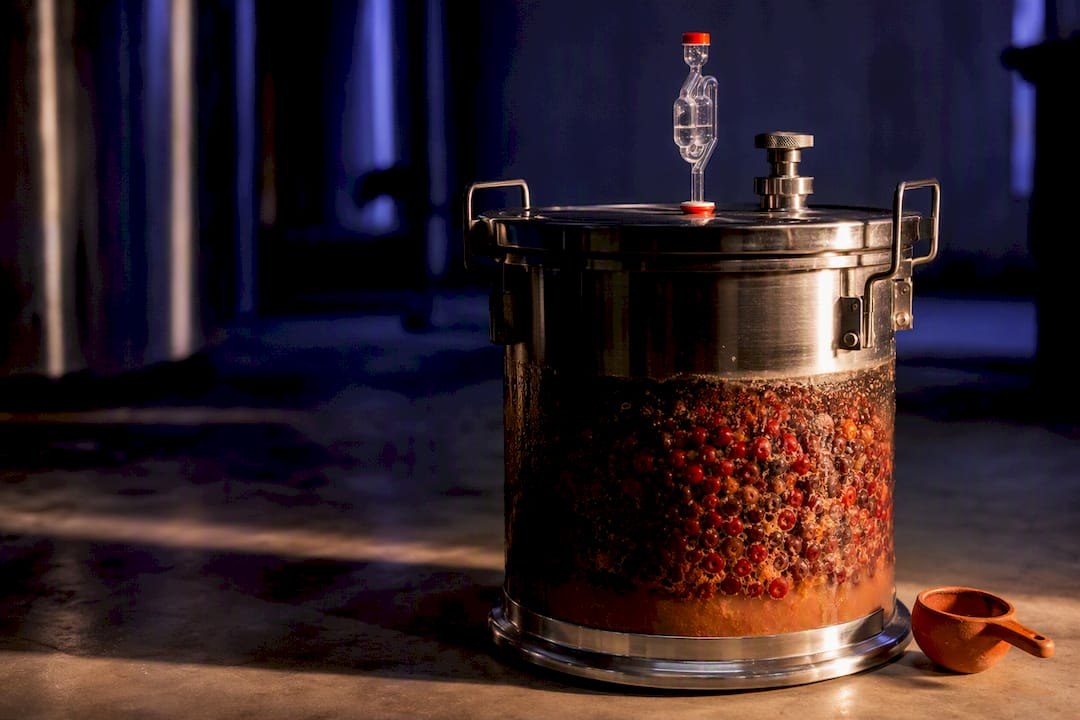
Taste Origin, Not Fruit: Washed Process Coffee Tips for Home Baristas

Washed (wet) process coffee is depulped, fermented and washed before drying, which strips away the fruit’s sugars and mucilage before they can influence the bean. That stripping is what gives washed coffee its signature: a cleaner, brighter cup that lets origin and varietal character come through instead of fermentation-driven fruit notes. The rest of this guide walks through how the process works, why fermentation timing matters, and how to taste and brew washed coffee to get the most out of it.
TL;DR:
- Longer fermentation times in washed coffee processing tend to produce fruitier and more acidic cup profiles, impacting flavor and aroma.
- Mechanical demucilagers reduce water use and wastewater load but limit the development of fermentation-related flavor precursors.
- Washed coffees generally excel when brewed lightly and with pour-over methods, highlighting brightness, floral notes, and clarity.
- The environmental impact varies depending on the mill’s treatment practices, with responsible operations using wastewater treatment or demucilagers.
- The choice between washed, natural, or honey processing hinges on whether clarity and brightness or body and fruitiness are more desired in the final cup.
Table of Contents
- What washed processing is and why producers choose it
- How washed coffee gets from cherry to green bean
- How fermentation choices reshape green-bean chemistry
- Washed vs natural vs honey: what actually changes in the cup
- The water problem behind washed coffee and how mills are fixing it
- What to taste in a washed coffee and how to brew for clarity
- Where this guide’s claims come from
- When washed coffee is the right choice for your cup
- Taste washed coffee the way it’s meant to be tasted
- Sources
- FAQ
What washed processing is and why producers choose it
Washed processing, also called wet processing, removes the coffee cherry’s skin and pulp, then ferments and rinses off the sticky mucilage layer before the beans go to dry. Some producers use “fully washed” as a near-synonym, though the exact steps vary by country and mill. It stands apart from natural process, where the whole cherry dries intact around the seed, and honey process, where some mucilage stays on the bean during drying.
Producers lean on washed processing when they want consistency from lot to lot and a cup that reflects where the coffee grew rather than how it fermented. That transparency is part of why washed coffees dominate coffee competitions and origin showcases.
- Washed processing depulps and rinses the bean before drying, unlike natural or honey methods.
- It tends to produce more uniform lots because fermentation variables are easier to control.
- Buyers often choose washed coffee specifically to taste varietal and terroir differences clearly.
How washed coffee gets from cherry to green bean
The washed process follows a defined sequence, and each stage shapes the final cup in a different way.
-
Sorting and flotation: Ripe cherries are sorted by hand or machine, and underripe or defective cherries are floated off in water tanks before pulping.
-
Pulping (depulping): A pulping machine strips the skin and most of the fruit, leaving the seed coated in a sticky mucilage layer.
-
Fermentation: The pulped beans sit in tanks or troughs, dry or submerged in water, while naturally occurring microbes break down the remaining mucilage; timing typically runs from several hours to over a day depending on climate and desired flavor.
-
Washing: Fermented beans are rinsed, often through channels or washing machines, to remove the loosened mucilage and any fermentation residue.
-
Drying: Clean parchment coffee dries on raised beds, patios or in mechanical dryers until it reaches a stable moisture level for storage and milling.
-
Dehusking: The dried parchment layer is milled away to reveal the green bean ready for export.
Some mills skip biological fermentation entirely and use mechanical demucilagers, which scrub off the mucilage with friction rather than microbial action. Continuous systems move cherries through pulping and washing in one flow, while batch systems process fixed lots in tanks, a distinction that affects both water use and flavor consistency.
Pro Tip: If a bag lists “fully washed” with no fermentation time, ask the roaster: shorter ferments tend to taste cleaner and more balanced, while longer ones lean fruitier and brighter.
How fermentation choices reshape green-bean chemistry
Fermentation is not just cleanup, it is a chemical event that determines what flavor precursors survive into the roast. A controlled study of wet processing found that fermentation duration has a larger effect on the green bean’s metabolite profile, and on final cup quality, than most other processing variables. Longer fermentation raises concentrations of microbial byproducts like lactic acid and mannitol, along with certain sugars and amino acids that later become Maillard reaction precursors during roasting, according to the same metabolomic research.
- Longer fermentation windows tend to push cup profiles toward fruitier, more acidic territory.
- Soaking beans after fermentation tempers those effects and helps standardize inconsistent lots.
- Mechanical demucilaging skips fermentation almost entirely, cutting water use but also narrowing the range of flavor precursors that develop.
A controlled study of wet processing found that fermentation duration is the single parameter with the largest measured effect on cup quality outcomes, more influential than pulping method or drying surface, according to research on microbial dynamics in wet processing. For roasters, that means two washed coffees from the same farm can taste noticeably different depending on how long they sat in the fermentation tank, a variable worth asking about the way you’d ask about roast development.
Washed vs natural vs honey: what actually changes in the cup
Each process leaves a distinct sensory fingerprint, and knowing the shorthand helps you predict what you’re about to taste before you open the bag.
- Washed: bright, high acidity, light to medium body, flavors read as clean and precise.
- Honey: moderate acidity, syrupy body, some fruit sweetness from partial mucilage contact.
- Natural: lower acidity, heavy body, intense fruit and fermented notes from whole-cherry drying.
Reach for washed coffee when you want to taste a varietal or origin clearly, especially with delicate high-altitude arabicas where subtlety matters. Choose honey when you want fruit-forward sweetness without losing all clarity, or natural when heavy body and bold fermented fruit are the point, a contrast covered in more depth in this natural process flavor guide. Roast and brew should follow suit: washed coffees generally reward lighter roasts and filter brewing, while naturals can handle a touch more roast development to tame their intensity.
The water problem behind washed coffee and how mills are fixing it
Washed processing has a real environmental cost. Comparative research on batch and continuous wet processing documents high water use in traditional systems and wastewater loaded with organic material, phenols and caffeine that leaches from the cherry and mucilage during fermentation and washing.
- Traditional washing stations can generate wastewater with a heavy organic load if it isn’t treated before release.
- Mechanical demucilagers and systems like Ecomill cut water use sharply compared with older wash channels, according to industry reporting on washed processing.
- Batch systems that reuse wash water concentrate organic compounds over repeated cycles, changing the microbial environment lot to lot.
Pro Tip: When you’re curious about a washed coffee’s footprint, ask the roaster whether the mill uses a demucilager or discloses wastewater treatment, both are simple signals of a more responsible operation.
What to taste in a washed coffee and how to brew for clarity
A well-processed washed coffee should announce itself with brightness first: think citrus, florals or stone fruit sitting on top of a light to medium body, with a clean finish that doesn’t linger with fermented or boozy notes. That clarity comes partly from processing itself, since washed coffee leaves a cleaner aromatic “canvas” that lets subtle floral and sweet compounds register more clearly, per Specialty Coffee Association research on sweetness perception.
- Choose a lighter roast so the sugars and acids from processing don’t get masked by roast char.
- Brew with a pour-over method like a V60 or Chemex, which highlights acidity and aromatics better than full-immersion methods.
- Taste for a clean start and finish, brightness up front, and a defined, not muddy, aftertaste.
- Try a simple recipe: 20 grams of coffee to 320 grams of water just off boiling, poured in three stages over about three minutes, following the same logic in this pour-over guide.
Where this guide’s claims come from
This guide draws on peer-reviewed wet-processing research, Specialty Coffee Association analysis and specialty industry reporting, paired with Moustache Coffee Club’s own work sourcing and roasting single-origin coffee. For a fuller picture of how processing carries through to the roast, see our guide on how processing affects taste and our walkthrough of how a cherry becomes a roasted bean.

When washed coffee is the right choice for your cup
Washed coffee earns its keep when you’re comparing origins, sampling a new varietal, or brewing light to let subtlety show. When you want heavy body and bold fruit, natural process is more interesting. If clarity is what you’re chasing, start washed and taste outward from there.
— Sean
Taste washed coffee the way it’s meant to be tasted
Ultra-light Nordic-style roasting is built for coffees like these: it protects the acidity and floral notes that washed processing creates instead of masking them under heavy roast development. Moustache Coffee Club ships beans the day they’re roasted, so the clarity you read about here is still intact when it reaches your cup.

- Subscribers pick single-origin coffees suited to their taste, including washed lots chosen for their brightness and origin character.
- Every shipment comes with tasting notes and brewing guidance so you know what to look for in the cup.
- The Tasting Series offers a way to sample multiple origins and processing styles side by side.
Check out the subscription plans or send a Gift Coffee subscription to someone who’d love to taste the difference.
Sources
- Influence of Various Processing Parameters on the Microbial Community Dynamics, Metabolomic Profiles, and Cup Quality During Wet Coffee Processing
- Comparison of Batch and Continuous Wet-Processing of Coffee: Changes in the Main Compounds in Beans, By-Products and Wastewater - MDPI
- How sweet coffee tastes! Towards an understanding of coffee sweetness | 25, Issue 22 — Specialty Coffee Association
- Processing 101: What Is Washed Coffee & Why Is It So Popular? - Perfect Daily Grind
FAQ
What is better, washed or natural coffee?
Neither is objectively better, they highlight different things: washed coffee emphasizes clarity, brightness and origin character, while natural process delivers heavier body and bolder fruit intensity. The right choice depends on whether you want precision or intensity in the cup.
What are the three types of coffee processing?
The three main methods are washed (wet), natural (dry) and honey (pulped natural), which differ in how much fruit and mucilage stays on the bean during drying. Washed removes it all before drying, natural leaves the whole cherry intact, and honey falls in between.
What is the healthiest cleanest coffee?
“Cleanest” in coffee usually refers to taste clarity rather than health, and washed processing is the method most associated with a clean, bright cup because the fruit and mucilage are removed before drying. Health effects depend more on roast level and brewing method than on processing style.
What are the differences between honey and washed process coffee?
Washed coffee has the mucilage fully rinsed away before drying, producing a lighter body and brighter acidity, while honey process leaves some or all of the mucilage on the bean, adding sweetness and a syrupy body. Honey coffees sit sensorially between washed and natural.