Coffee After Roasting: 1–14 Days by Roast and Brew Method

Wait about 1–3 days for dark roasts, 2–7 days for medium roasts, and 7–14 days for light and ultra-light roasts, which sometimes peak even later. Espresso usually needs the longer end of those ranges, often 7–10 days, while cold brew tolerates extra rest. Bean density and roaster type shift these numbers, so a short tasting routine can fine-tune your timing.
TL;DR:
- Espresso often needs 7–10 days or longer because trapped carbon dioxide destabilizes shot flow, producing wild crema and inconsistent extraction.
- Dense Ethiopian and Kenyan coffees often retain gas longer, so sharp acidity and muted floral notes may need extra days to become sweeter and clearer.
- Use one recipe, brew at the same time, and track acidity, sweetness, body, and aroma until the cup turns flat or papery.
- Keep beans sealed in a cool, dark place, limit air exposure, and check the roast date rather than relying on a best by label.
- Cold brew’s gentle, long extraction tolerates older beans, so coffee past its filter peak can still yield a clean, sweet concentrate.
Table of Contents
- What rest windows work for each roast level and brew method?
- Why do beans need to rest after roasting?
- Does roaster type change how long coffee should rest?
- How can you find a coffee’s peak at home?
- How should you store coffee while it rests?
- How do espresso, pour-over, immersion and cold brew differ in timing?
- What is a coffee’s peak window, and how long does it stay drinkable?
- How does rest change single-origin coffees from different regions?
- How do shipping and delivery times affect coffee freshness?
- My take: pick a window and test it
- How we help you brew at the right time
- FAQ
- Sources
What rest windows work for each roast level and brew method?
Think of these as starting points you can adjust with your own palate once you know your coffee.
- Dark roasts: They can turn stale or rancid if rested too long.
- Medium roasts: roughly 2–7 days, which is enough for the harshest gas to escape without losing aroma.
- Light and ultra-light roasts: commonly 7–14 days, and some dense specialty lots taste best well after that.
- Espresso: often 7–10 days or more, because trapped gas disrupts the shot.
- Pour-over and filter: the roast-level ranges above apply directly, and light roasts usually shine in the second week.
- Immersion and cold brew: more forgiving of both very fresh and well-rested beans, so you can brew on the early or late side.
You may also run into the Rule of 15s, a specialty-coffee guideline that uses the period after roasting as a practical reference for peak flavor. Treat it as a helpful rule of thumb, not a mandate. A dark roast brewed at day 15 is likely past its best, while an ultra-light roast might only just be arriving.
When a bag arrives, find the roast date first and use it to guide your tasting, taking roast level and method into account. If you are early, wait. If you are inside the window, start tasting.
Why do beans need to rest after roasting?
Roasting traps carbon dioxide inside the bean, and that gas escapes slowly over the following days and weeks. This process is called degassing. If you want a deeper walkthrough, our guide on what degassing is in coffee beans covers it in practical terms.
Very fresh coffee still holds a lot of gas, and CO2 can taste sharp and acidic in the cup. It also pushes water away from the grounds while you brew, which makes extraction uneven. In espresso you see this as spritzy, unstable crema and shots that run inconsistently. In filter coffee you see a blooming bed that bubbles aggressively and a cup that tastes thin and prickly rather than sweet.
As the gas leaves, flavors that seemed scattered can begin to read as distinct notes. Brewing method interacts with all of this. Research from the Coffee Science Foundation and related teams indicates that brewing method is a primary driver of flavor and extraction, which is why the same bag can taste ideal in a French press on day five and unbalanced as espresso on that same day. A controlled study reported in industry press also found that roast degree, extraction yield and caffeine concentration interact in complex ways, so roast level and brew technique should be tuned together.

Does roaster type change how long coffee should rest?
Yes. Scott Rao notes that multi-week resting windows became common with Loring roasters and ultra-light Nordic-style profiles. Ultra-light beans are dense and barely developed, so they release gas slowly and often need extra days before their clarity and sweetness show up.
Rao’s observations also point to a mechanical difference. Drum roasters tend to weaken the bean’s cell structure more than air roasters do, so drum-roasted beans often degas faster and may need less rest. Air-roasted beans, including those from some Loring machines, can be denser and benefit from longer rest. He also cautions that not every coffee needs weeks: darker, oilier roasts can go rancid if left too long.
In practice, you often will not know what machine produced your bag. When roast notes or roaster type are missing, default to the roast-level ranges above, then taste early and re-evaluate. If a light roast tastes sharp or hollow, give it more time and taste again. If it already tastes round and sweet, you have found your window sooner than expected.
How can you find a coffee’s peak at home?
You do not need lab gear, just discipline. Our own home test for coffee resting time expands on this, and here is the short version.
- Pick a brew method and write down a recipe: dose, grind setting, water temperature and brew time.
- Start tasting a few days after roast, then brew the same recipe at the same time of day.
- Taste in small, consistent servings, ideally from a brew that has cooled slightly.
- Record acidity, sweetness, body and aroma on a simple scale.
- Repeat regularly for a while.
- Mark the day your notes show the best balance, then the day sweetness starts to fade.
Here is how to read the shifts. “Too fresh” tastes sharp, gassy or empty, with muted sweetness. “At peak” shows clear aroma, balanced acidity and a sweet, defined finish. “Past peak” feels flat, papery or dull, with fewer distinct notes.
Pro Tip: On a fresh bag, run a quick A/B test with two water temperatures or slightly different contact times. If the gentler extraction tastes better, the beans still need more rest.
How should you store coffee while it rests?
Storage decides how long your coffee holds its peak, so a little care goes a long way.
- Keep beans in an airtight container, away from heat, light and moisture.
- Store them somewhere cool and dark, never next to the stove or on a sunny counter.
- Limit repeated air exposure: open the container only when you scoop.
- For daily use, keep a week’s worth in a small container and seal the rest of the bag tightly.
- For longer storage, keep the sealed bag intact until you need it.
- Check that your bag has a one-way valve, which lets CO2 escape without letting oxygen in.
- Read the roast date on the label, not just a “best by” stamp, because it tells you where you are in the rest window.
Good storage preserves the peak window described above, so beans you rest correctly stay at their best for longer.
How do espresso, pour-over, immersion and cold brew differ in timing?
Espresso is the fussiest. Beans often need 7–10 days or more because gas disrupts shot flow. Very fresh beans typically need a coarser grind and you will see wilder crema; as they settle, you can usually dial finer and get steadier extraction.
Pour-over and filter coffee tolerates freshness better, but very fresh light roasts can taste sharp. Lowering water temperature slightly and shortening contact time tames them. As beans age, you may need a slightly coarser grind or hotter water to keep sweetness from turning dull.
Immersion brewing, like French press, spends several minutes in contact with water, which softens the effect of trapped gas, so early brews are less punishing.
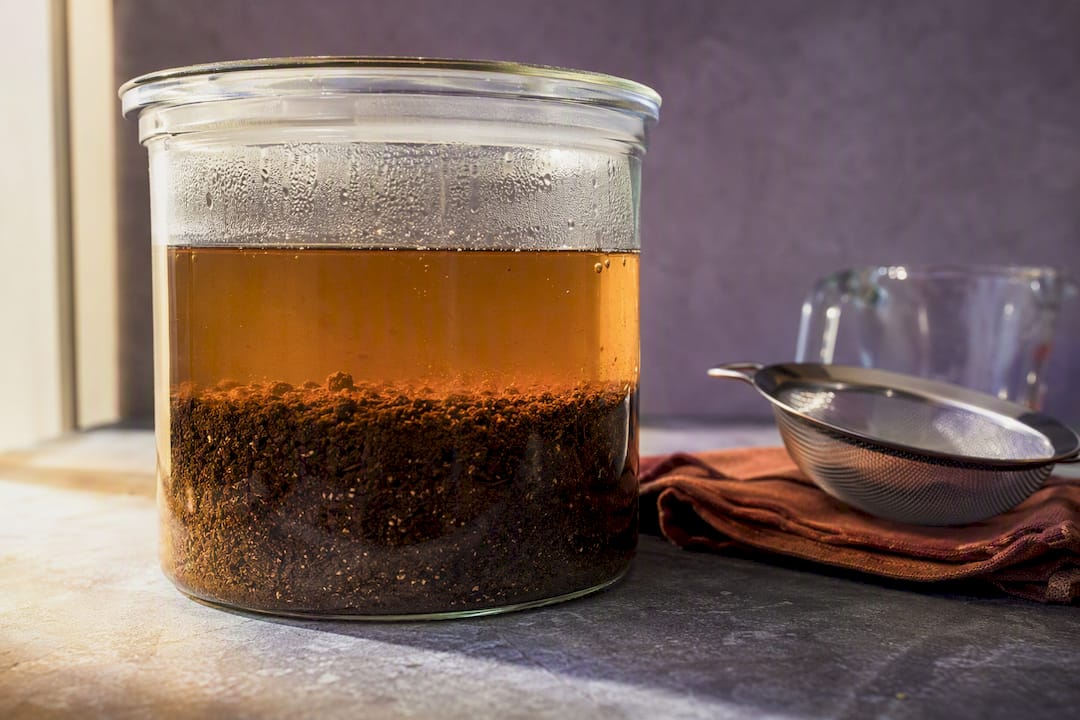
Cold brew often runs 12 hours or longer, so it tolerates or even benefits from a longer-rested bean. Because the extraction is slow and gentle, a bag that has passed its filter peak still makes a clean, sweet concentrate.
For more on matching method to flavor, see how brewing method affects specialty coffee flavor and our primer on coffee extraction.
What is a coffee’s peak window, and how long does it stay drinkable?
Peak and shelf life are different things. Peak is when flavor is at its most vivid and balanced. Many specialty professionals cite roughly 7–21 days as a good window, and the Rule of 15s offers about 15 days as a handy reference. Our guide to reading the roast date lands on the same 7–21 day range.
Shelf life is simply how long the coffee remains pleasant to drink. Well-stored beans can stay drinkable for weeks or even months, but flavor fades gradually: aromatics thin out first, then sweetness, then the cup tastes flat. You will rarely notice a cliff, only a slow slide.
The practical takeaway is to plan purchases or subscription deliveries so your first brew lands inside your preferred window. If you prefer light roasts after a longer rest, order so the bag arrives with time to spare. For help judging a bag you roasted yourself, see our guide to evaluating coffee freshness at home.
How does rest change single-origin coffees from different regions?
Rest does not treat every origin the same, because bean density, processing and variety shape how a coffee degasses and how its flavors unfold.
Dense, high-grown lots, such as many Ethiopian and Kenyan coffees, tend to hold more gas and show their most distinctive character later. When they are too fresh, the bright acidity can read as sharp rather than juicy, and floral or tea-like aromatics stay muted. Give them extra days and that acidity softens into citrus or stone-fruit sweetness while the florals come forward.
Coffees from Colombia and similar origins, often a little less dense, can open sooner. Their caramel, red apple and cocoa notes frequently become balanced earlier in the window, so you may find a Colombian roast delicious in the first week while an Ethiopian from the same roast day is still waking up.
Naturally processed coffees add another variable. Their fruit-forward, jammy character can seem loud and unfocused early, then settle into clearer berry notes as the beans rest. Washed coffees tend to show cleaner structure sooner but still gain clarity with time.
The lesson is to use the roast-level ranges as a baseline and then let each origin tell you when it is ready. Taste across several days and note when the acidity turns from sharp to sweet, when aroma becomes specific, and when body feels rounded. That pattern is your coffee’s own peak, and it is why single-origin drinkers benefit most from the tasting routine above.
How do shipping and delivery times affect coffee freshness?
Shipping eats into your rest window, which is not always bad news. If a light roast ships soon after roasting and spends some time in transit, it arrives already partway through the early degassing period. That is useful, because the gassiest, sharpest days pass while the bag is on the truck.
What matters is the roast date, not the ship date. A bag that sat in a warehouse for a week before shipping has aged differently than one roasted to order, and a retailer’s “best by” stamp can hide how old the coffee really is. Always look for a roast date on the label, and count days from that date.
So what should you expect? Dark roasts can be ready the moment they arrive, medium roasts usually need a few more days, and light or ultra-light roasts often benefit from waiting another week after delivery. Plan around that: if you want to brew a light roast after it has rested, allow enough time between delivery and brewing.
Keep the bag sealed, store it away from heat and sun, and avoid leaving a package on a hot porch. Heat during transit speeds staling, so pick a delivery window when someone can bring the box inside.
My take: pick a window and test it
My advice is simple. Taste your next bag over time, note when it tastes best, and use that as your personal rest guide. If you subscribe, adjust your delivery timing so beans arrive a few days before that day. Buy smaller batches while you experiment.
— Sean
How we help you brew at the right time
We roast to order and ship single-origin, ultra-light, Nordic-style coffees, so you control when your beans arrive relative to your preferred rest window. Our subscription plans, from Duet to Orchestra, let you choose a plan, and you can give us feedback so we tune future selections to your taste. Our brewing guides, origin reports and Tasting Series help you learn what each coffee does as it rests. If you want to give someone the same advantage, we also offer a gift subscription.

Pick a plan today and explore when your favorite roast peaks.
FAQ
What is the 15-15-15 coffee rule?
It is a freshness guideline that treats roasted coffee as reaching peak flavor after roasting. One version also gives timing advice for using roasted coffee and brewing after grinding. Treat it as a practical reference, not a strict rule.
How long should you let coffee rest after roasting?
It depends on roast level and method. Dark roasts need roughly 1–3 days, medium roasts 2–7 days, and light roasts commonly 7–14 days. Espresso often needs more, and cold brew is more forgiving.
What is the 2 hour coffee rule?
Brewed coffee is generally best enjoyed soon after it is made, because flavor changes as it cools and sits. It is a rule of thumb about brewed coffee, not about resting roasted beans. If you want the best cup, drink it soon after brewing.
Is coffee roasted 3 months ago still good?
It is likely still safe and drinkable if it was stored well, but the flavor will be noticeably flatter. Aromatics and sweetness fade gradually, so expect a duller cup than you would get from beans in their peak window.
Sources
- RESTING ROASTS: IS FRESHER BETTER? — Scott Rao
- The Coffee Science Foundation Announces New Cold Brew Extraction Research: Sensory Analysis of Full Immersion Coffee — Specialty Coffee Association
- The 15-15-15 Coffee Rule: What The Rule of 15s Means to Coffee Freshness
- Do Light Roasts or Dark Roasts Have More Caffeine? Study: Maybe Medium?